The main differences between optical microscopes and electron microscopes are as follows: Resolution:The resolution of optical microscopes is limited by the physical properties of light, and generally...
READ MORE
86-574-86595888
No.348, Rongji Road, Luotuo Industrial District, Ningbo, China
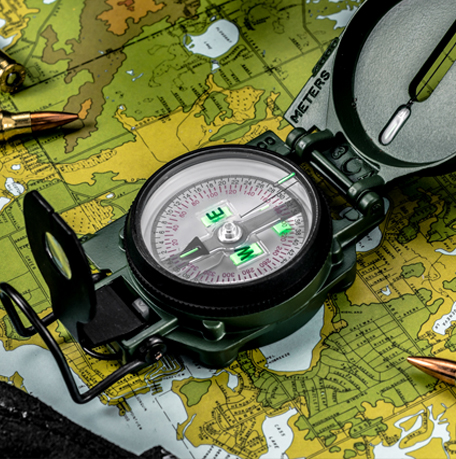
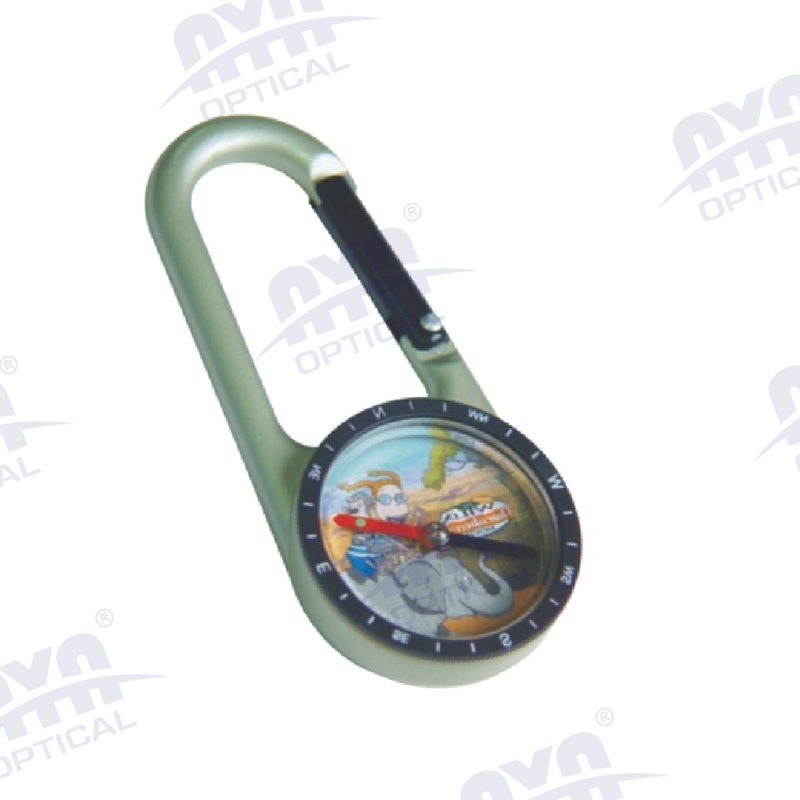
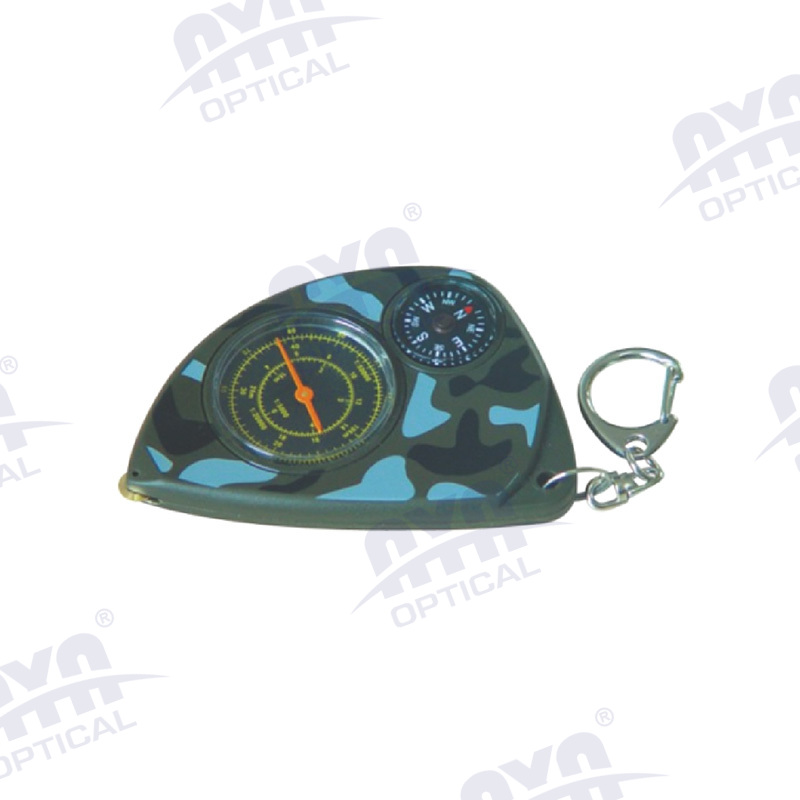
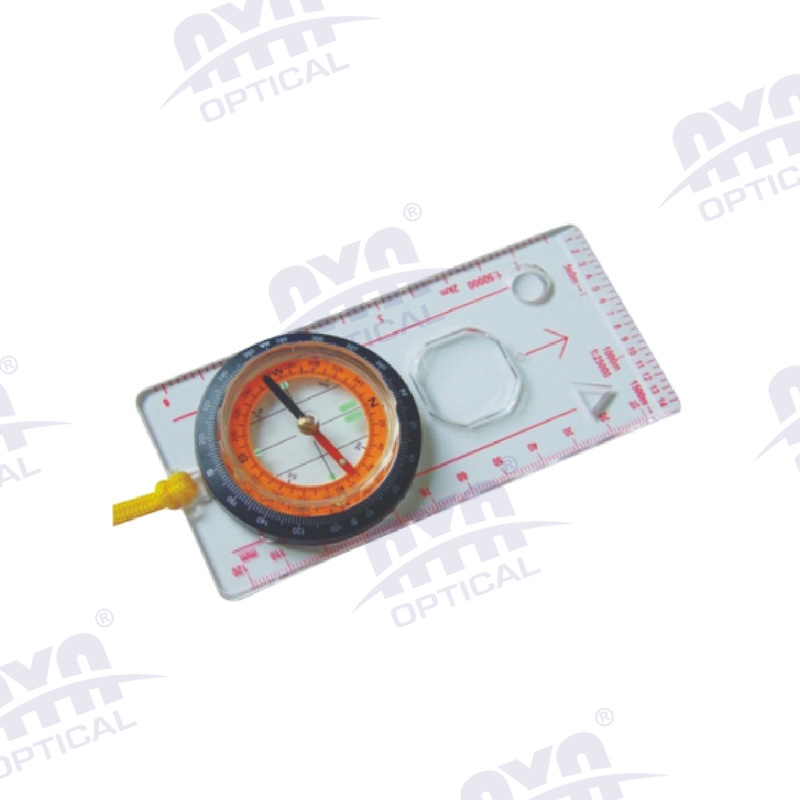
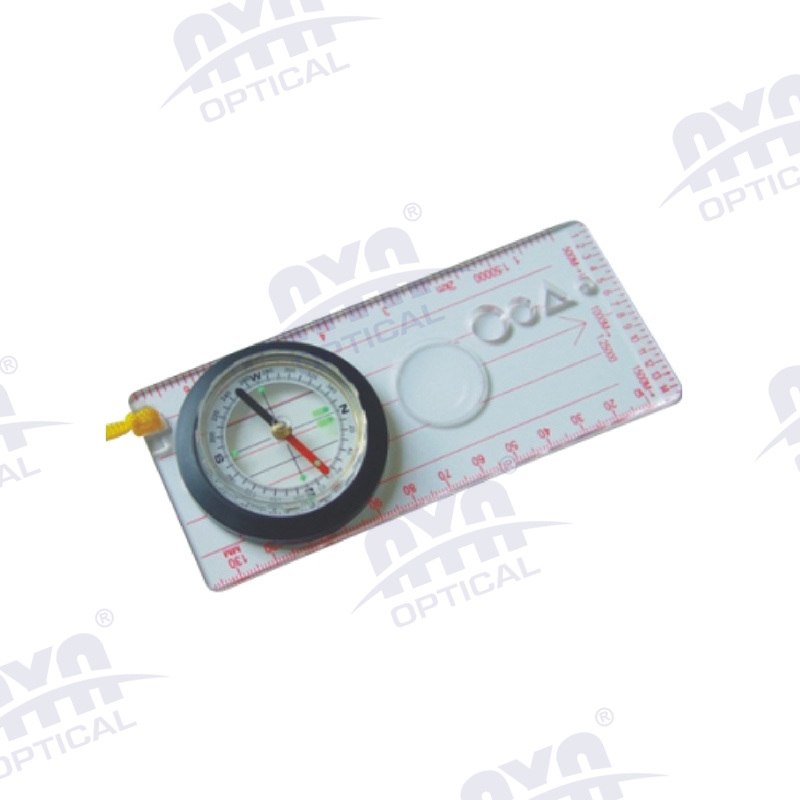
A compass is a navigation tool designed based on the principle of the earth's magnetic field, used to determine geographic direction and angle measurement. Its main components include a magnetic needle and a dial. The magnetic needle of the Compass is its core component, made of magnetic material, which can rotate freely and point to the magnetic north pole under the action of the earth's magnetic field. This allows users to accurately and quickly determine basic directions such as north, south, east, and west, which has important application value in outdoor adventures, marine navigation, and map making. The dial of the Compass is marked with precise degrees and azimuth scales around it, allowing users to perform precise angle measurements and navigation positioning. These scales not only help users confirm directions but also support complex terrain and navigation calculations, such as heading adjustment, map coordinate calibration, etc.
The main differences between optical microscopes and electron microscopes are as follows: Resolution:The resolution of optical microscopes is limited by the physical properties of light, and generally...
READ MOREThe advantages of handheld portable microscopes include convenient and flexible use, wide observation field, clear and realistic images, and high resolution. These advantages make handheld portable mi...
READ MOREThe characteristics of desktop magnifiers mainly include the dual combination of magnification and lighting. The magnification can be selected according to different requirements. The light is stable ...
READ MOREThe main advantages of head-mounted magnifiers include portability, high light transmittance, and suitability for a variety of professional fields, while the disadvantages mainly include poor field-of...
READ MOREThe appropriate magnification of a jewelry magnifying glass is generally between 10x and 20x. When choosing the magnification of a jewelry magnifying glass, the object of observation should be conside...
READ MORE